
By Fẹ́mi Akínṣọlá
International Women’s Day, observed annually on 8th March, serves as a powerful reminder of the enduring fight for women’s rights and gender equality. More than just an annual celebration, this day represents a crucial opportunity to advocate for systemic change and social justice for women and girls worldwide, including those in Nigeria. The 2026 theme, “Rights. Justice. Action. For ALL Women and Girls,” calls upon us to confront the entrenched injustices, legal inequalities, and socio-economic barriers that continue to undermine women’s progress. As we mark this significant day, it is imperative to recognize that advancing gender equality is not just a women’s issue; it is foundational to the betterment of society as a whole.
In Nigeria, the origins of International Women’s Day resonate deeply within the context of social movements and the call for greater access to rights and opportunities. Despite notable advancements, women in Nigeria remain disproportionately affected by economic instability, political disenfranchisement, cultural discrimination, and violence. As we commemorate the achievements of Nigerian women throughout history, we must stress the importance of collective action to dismantle the social and legal barriers that hinder their progress.
Addressing legal disparities is a significant challenge that must be confronted. Many Nigerian women still suffer from inadequate legal protections against violence, harassment, and discrimination. Patriarchal norms are entrenched in legal frameworks surrounding issues such as marriage, property ownership, and reproductive rights, limiting women’s autonomy and empowerment. International Women’s Day should serve as a rallying point for advocates in Nigeria to pressure the government to adopt and rigorously enforce legislation that safeguards women’s rights. Ignoring this need is to disregard the sacrifices of those who fought for justice and those who continue to face discrimination today.
Economic equality is a crucial component of the broader struggle for women’s rights in Nigeria. Despite notable advancements, the gender pay gap remains a stark reality for many Nigerian women, who frequently find themselves in lower-paying roles. This inequality is exacerbated by systemic barriers that hinder women from obtaining leadership positions. Advocating for policies that guarantee equal pay for equal work and supporting small women-owned businesses through accessible funding and resources are essential steps. Celebrating these achievements on International Women’s Day must translate into concrete actions that dismantle economic obstacles prevalent in Nigeria.
Furthermore, education is vital for empowering Nigerian women. Quality education is essential for enabling women to escape cycles of poverty and dependency. Millions of girls in Nigeria are still denied access to education due to financial constraints, cultural biases, and the impact of conflict in some regions. International Women’s Day should amplify calls for universal education for girls, as education empowers not just individuals but entire communities, fostering future generations of leaders.
Collective action is the cornerstone of meaningful change in Nigeria. International Women’s Day is driven by grassroots initiatives and global collaborations that resonate with local issues. Whether through advocacy in politics, community outreach, or simply raising one’s voice for the cause, the responsibility to act lies with all Nigerians. By harnessing the momentum of this day, we can reflect on our roles in the broader struggle for equality. Supporting women-focused charities, engaging in constructive dialogue, and backing local female-led initiatives are vital ways to contribute to a just society.
Moreover, the symbolism surrounding International Women’s Day cannot be overlooked within the Nigerian context. The colour purple, representing justice and dignity, serves as a unifying force for those advocating for gender equality. Celebrations often feature diverse, empowered Nigerian women, sending a crucial message of inclusivity that underscores the complex tapestry of feminism in Nigeria—marked by various ethnic backgrounds, social experiences, and cultural identities. We must commit to amplifying these voices, especially from marginalised communities, ensuring our advocacy reflects the realities faced by all Nigerian women.
As International Women’s Day unfolds, it is essential to acknowledge both the sacrifices made by Nigerian women who came before us and the work that remains to be done. This day should transcend mere celebration; it must be a call to action for every individual to take an active role in shaping a nation free from bias and discrimination. By embracing the themes of rights, justice, and action, we can draw critical attention to the challenges that women in Nigeria continue to encounter.
In conclusion, International Women’s Day signifies both a celebration of accomplishments and a pivotal moment in the ongoing struggle for equality. As we reflect on our history and set our sights on the future, we must pledge to reclaim the narrative of gender parity in Nigeria. Together, we possess the power to effect meaningful change and cultivate a society where every woman and girl can flourish. If we fail to act, we risk disregarding the collective struggles and aspirations of countless individuals. It is our responsibility to ensure that the principles of International Women’s Day become a reality, not only for this moment but for generations to come.
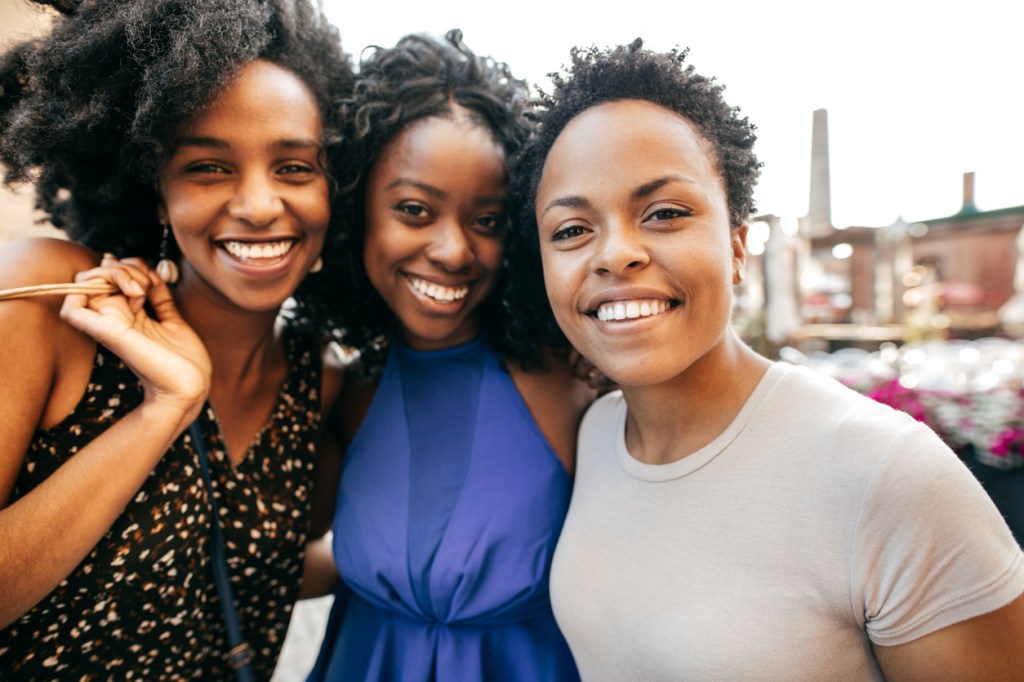
Photo: African ladies (File)
Copyright © 2026 Fẹ́mi Akínṣọlá. No part of this publication may be reproduced, distributed, or transmitted in any form or by any means, including photocopying, recording, or other electronic or mechanical methods, without the prior written permission of the author.
 Extrasportnigeria
Leave a comment