
Admin
Sadly and painfully, 2026 bled red across Nigeria.
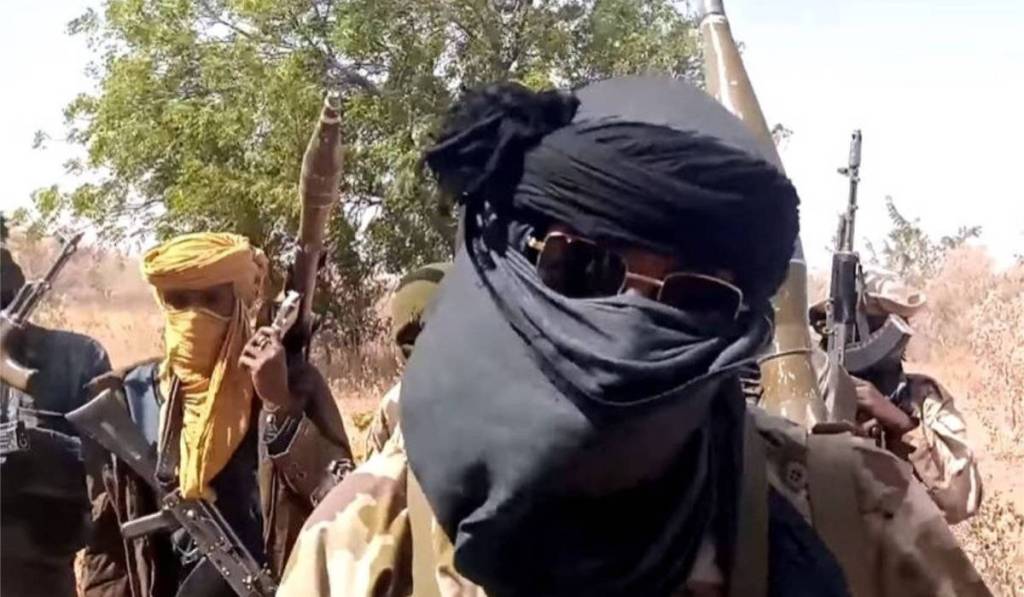
Nextier’s Nigeria Violent Conflicts Database just dropped the numbers, and they’re brutal: 279 Nigerians dragged into captivity; 842 persons killed, and a total of 156 violent attacks in 30 days.
And it’s getting worse, fast.
Compared to May 2025, violence jumped 51.5%. Casualties surged 90.1%. Kidnappings climbed 19.7%. That’s not statistics. That’s mothers, fathers, students, farmers – gone.
The data landed on Sunday as questions grow louder: Are Nigeria’s billions in peacebuilding actually working?
Nextier experts Jamilu Musa and Dr. Chukwuma Okoli of Nnamdi Azikiwe University say we’re measuring the wrong things.
In their new paper, “The Travails of Measuring Peacebuilding in Fragile Contexts,” they warn: dialogue sessions and awareness campaigns mean nothing if violence keeps rising.
“Peacebuilding goes beyond workshops,” they wrote. “The real test is: Did violence drop? Did trust grow? Are communities more resilient?”
Right now, the answer is no.
The experts say global crises are stealing Nigeria’s peace money. The Russo-Ukrainian War. Middle East tensions. US President Donald Trump’s economic nationalism. Donors are pulling back just as kidnappers are scaling up
But there’s a deeper problem: How do you measure “trust” or “safety”? You can count bodies. You can’t count on hope.
Musa and Okoli say we must track 4 things: conflict patterns, social cohesion, governance/inclusion, and community resilience. Without them, we’re flying blind.
Their verdict is harsh: six barriers are killing peace efforts. Attribution bias. Short donor cycles. Changing conflict realities. No baseline data. Security threats are stopping data collection. And outcomes too intangible to quantify.
Their prescription: modern tools like “outcome harvesting,” perception surveys, social network analysis, and real-time conflict monitoring. Plus one urgent demand – the government must institutionalise peace measurement with standard indicators.
“Peace is not static,” they said. “It’s a work in progress. The question isn’t how many workshops we held. It’s whether communities are safer, more inclusive, more resilient.”
May’s figures suggest we’re failing that test.
The Punch/The Conclave
 Extrasportnigeria
Leave a comment